By: Chaney Cruze, Senior Director of Young Adult Engagement and Opportunities
For most young adults, the transition to adulthood happens gradually. They may leave home, then come back, ask parents for advice, get help paying unexpected bills, or have someone to call when life feels overwhelming. The path to independence is a team effort, one often supported by a network of family and friends.
For young people leaving foster care, that experience can look very different.
Turning 18 does not mean someone suddenly knows how to find an apartment, balance a checking account, navigate healthcare, keep a job, or make every decision that comes with adulthood. Yet young people aging out of foster care are often expected to do just that, and with a much smaller safety net.
The lack of a safety net that they can rely on can make the transition difficult. Years of instability take a toll; family separation, changes in where they live, interrupted schooling, trauma, and the loss of important relationships add to the weight of what they have to carry during this season. Without support, 70-80% of youth aging out of the foster care system face homelessness, addiction, imprisonment, or trafficking by age 21, according to a landscape study conducted by Belmont University’s Innovation Labs.
But their experiences are only part of their story and do not define who they are or who they can become. Like any young adult, they have talents, interests, ideas, and goals. What they need is access to opportunities, a supportive network, and resources that help bridge the gap between adolescence and independence.
Monroe Harding offers that support, and it does not end when a young person reaches adulthood. Through our Resource Center, supportive housing, education, workforce development, therapy, and other services, young adults can get help with both immediate needs and longer-term goals.
For some, the immediate need is stable housing. Having a safe place to live lays the foundation for everything else. It is difficult to focus on school, work, or personal growth when you do not know where you will sleep at night. Stable housing gives young adults the security they need to plan for the future.
For others, healing comes next. Many young adults leaving foster care have experienced significant loss, uncertainty, and trauma. Access to counseling and other supportive
services can help them process those experiences, develop healthy coping strategies, and build resilience for the challenges ahead.
Beyond housing and healing, young adults need opportunities to develop practical life skills. How do you budget for rent and groceries? What does a lease agreement mean? How do you prepare for a job interview? How do you apply for college, earn a diploma, or build credit? Many young people learn these skills from parents or relatives. When that support is missing, intentional programs become even more vital.
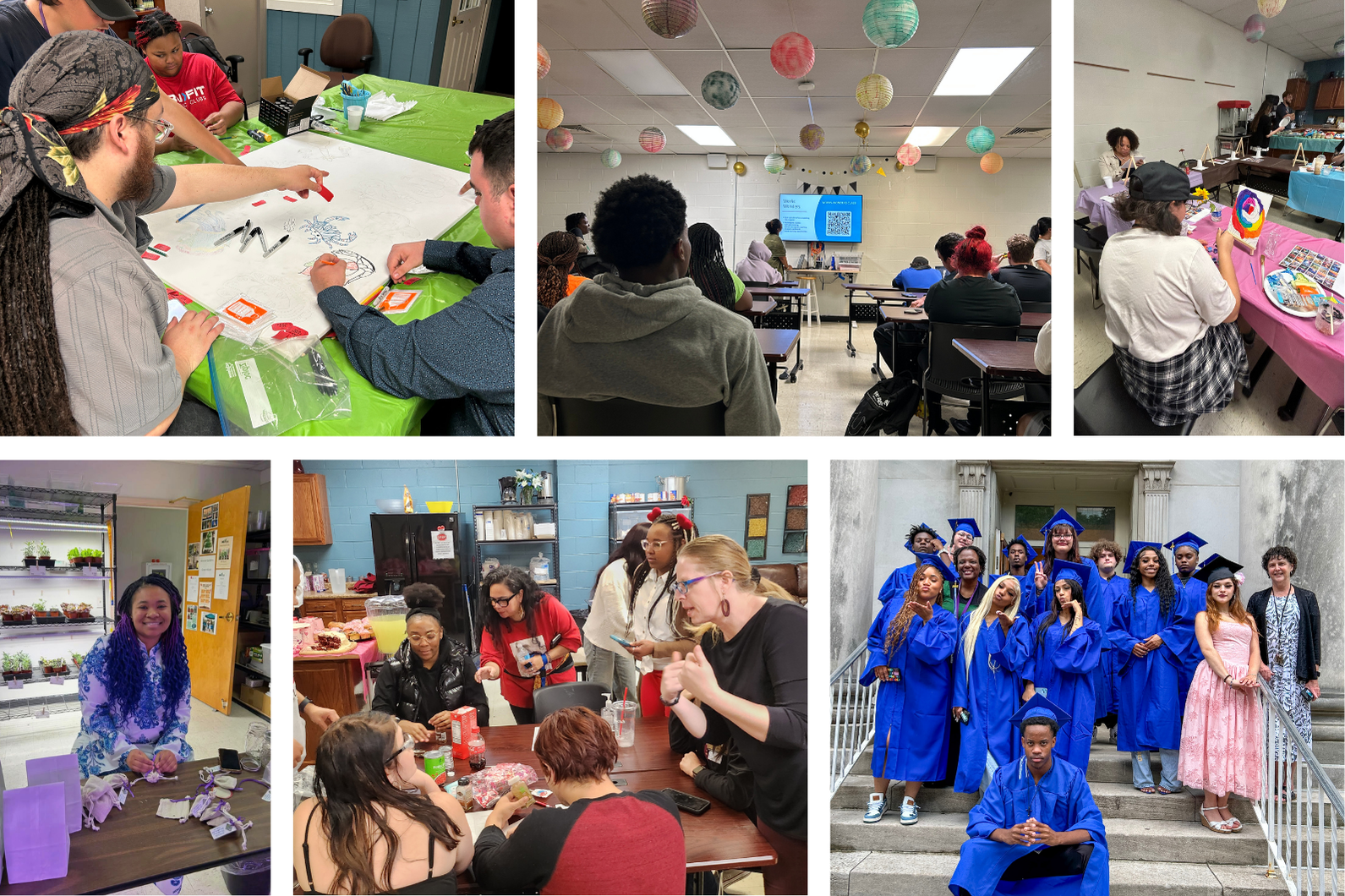
The Resource Center helps fill those gaps. Through classes, workshops, one-on-one support, workforce development opportunities, education assistance, and community-building activities, young adults gain the knowledge and confidence needed to navigate adult responsibilities. Just as importantly, they build relationships with staff and peers who encourage them along the way.
One question that has come up recently is whether a young person must have been in foster care to participate in Resource Center activities.
Not necessarily.
While Monroe Harding focuses on serving young people in and aging out of foster care, the Resource Center serves young adults ages 16–26 who may need additional support as they move toward independence. Housing instability, limited family support, difficulty finding employment, interrupted education, or simply not knowing where to turn for help are not challenges experienced only by people who have been in foster care. Young adults interested in services can contact Monroe Harding to learn about available programs, eligibility, and referrals.
The Resource Center is not designed to make decisions for young adults. It connects them with people, information, opportunities, and practical tools so they can make more informed decisions for themselves during a season of life that is often filled with uncertainty.
The reality is that no young adult can thrive on determination alone. Success rarely comes from one program, class, or supportive adult. Instead, it grows from a network of relationships, opportunities, and resources working together over time.
When a young adult leaves foster care, the journey does not end. In many ways, it is just beginning. The goal is not simply to help them survive adulthood, but to help them thrive. Monroe Harding is committed to walking alongside young adults on the journey, and we invite you to do the same.
Interested in touring the Resource Center? Email ChaneyCruze@monroeharding.org.