By: Violet Gau, Mental Health Therapist
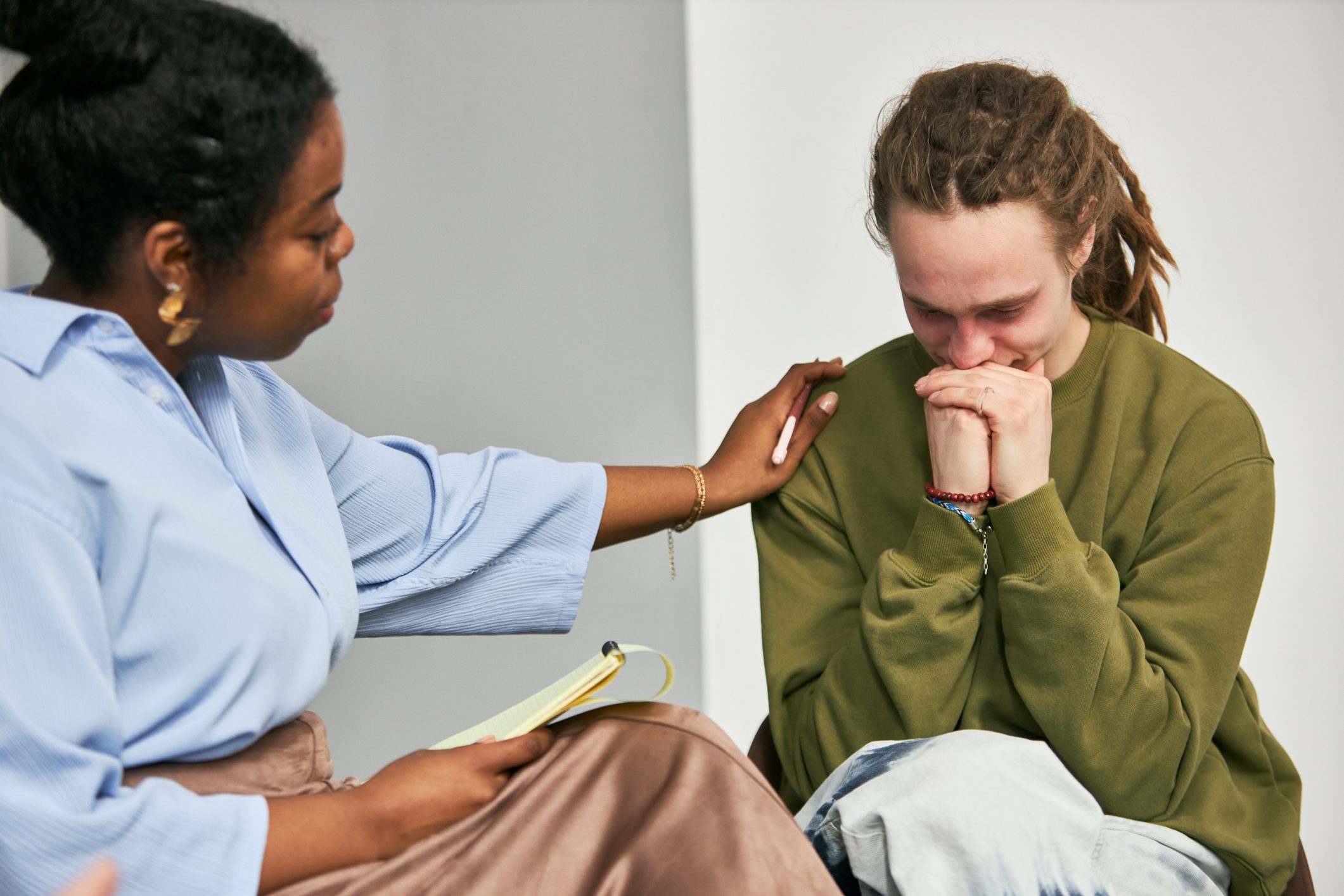
When young people experience adversity and trauma, the impact can reach far beyond the moment itself. Those experiences can shape how they learn, form relationships, and respond to challenges. Some don’t see a future, they see survival — getting through the next hour or the next day.
That constant state of survival can have an even greater impact during adolescence and early adulthood, when the brain is still developing. Introducing positive experiences, stability, trusting relationships, and opportunities can help young people strengthen the skills they need. The Annie E. Casey Foundation describes this period as moving from “brain strains” toward “brain gains.” What may seem like routine experiences like going to school, having dinner with family, or establishing friendships can look very different when you are attending your fifth high school or getting to know your third foster parent.
This disruption can sometimes show up through changes in behavior. A young person may become angry, withdrawn, anxious, or resistant. What we see on the surface may be a response to experiences the young person is still trying to process or often avoid.
Trauma-informedcare begins with understanding that a person’s past experiences can influencehow they respond to what is happening around them today.
Rather than becoming frustrated and asking, “What is wrong with this child?” be curious. Ask, “What is driving the behavior? What need is the young person trying to fulfill?” Trauma-informed care is listening without judgment.
A young person who appears defensive may be protecting themselves because trusting means getting disappointed again. Someone who yells in an argument may be trying to feel safe because chaos can be comforting and familiar. A teenager who struggles with rules may be reacting to having little control over major decisions throughout their life.
Trauma-informed care does not excuse harmful behavior or eliminate expectations, but it does change how we respond to it.
The healing possible through trauma-informed care does not happen through one conversation. It develops through consistent experiences over time, such as celebrating small, everyday wins, keeping a promise, or simply doing what you said you would do.
It also means setting clear boundaries and following through. Holding a young person accountable can feel difficult when they are upset, but accountability paired with conversation can promote healing and growth. One of the most important things you can do after a disagreement, for example, is to have a repair conversation with a young person. Model how you own up to your mistakes, show vulnerability, and work through the conflict together.
Lastly, when ayoung person asks, “Why?” explain the reason behind the decision. Offer appropriate choices when possible and stay calm when emotions are high. These actions create greater safety and predictability and help young people understand what they can expect from the adults around them.
Supportive relationships are the foundation of trauma-informed care. You don’t need to be a counselor to implement these skills. You just need to be genuine, show up, and care. Young people need adults who see more than what has happened to them. They need people who recognize their strengths, encourage their interests, give them opportunities to make decisions, and help them learn from mistakes without defining them by those mistakes.
Over time, these experiences build resilience.
Monroe Harding has worked to intentionally transform organizational culture and programs by implementing Trauma and Resiliency Informed Care, or TRIC.
TRIC carries through every part of a young person’s experience with Monroe Harding, from foster care to the Resource Center, supportive housing, workforce development, and everyday interactions with staff. The goal is to provide consistent support as young people navigate the journey to adulthood with compassion and care.
September 2 marked National Live Fearless Day. For the young people we serve at Monroe Harding, courage often looks like moving forward despite what they have experienced. Living fearlessly is doing it despite being afraid.
It is the young person working to finish high school, preparing for their first job, managing their finances, navigating an intimate relationship, or asking for help. These steps may look ordinary, but for young people who have experienced adversity and trauma, they can require tremendous courage.
While trauma-informed care cannot erase the past, it can, however, help create a safe environment that empowers young people to be fearless. To inevitably experience failures and hear, “It’s okay. You got this. I believe in you.”
To learn more about the five steps to successful trauma- and resiliency-informed care, click here.